The Growing Challenge of Food Waste
Food waste remains one of the world’s most pressing environmental issues. Industrial kitchens, hospitality businesses, and food processing facilities contribute millions of tons of organic waste to landfills every year. As this waste decomposes, it releases methane—a gas significantly more harmful than carbon dioxide in trapping heat.
Businesses today must act not only for compliance but for sustainability. This growing need has led to the development of food waste systems, food waste equipment, and food waste recycling equipment designed to transform organic waste management into an environmentally responsible process.
What Is a Food Waste System?
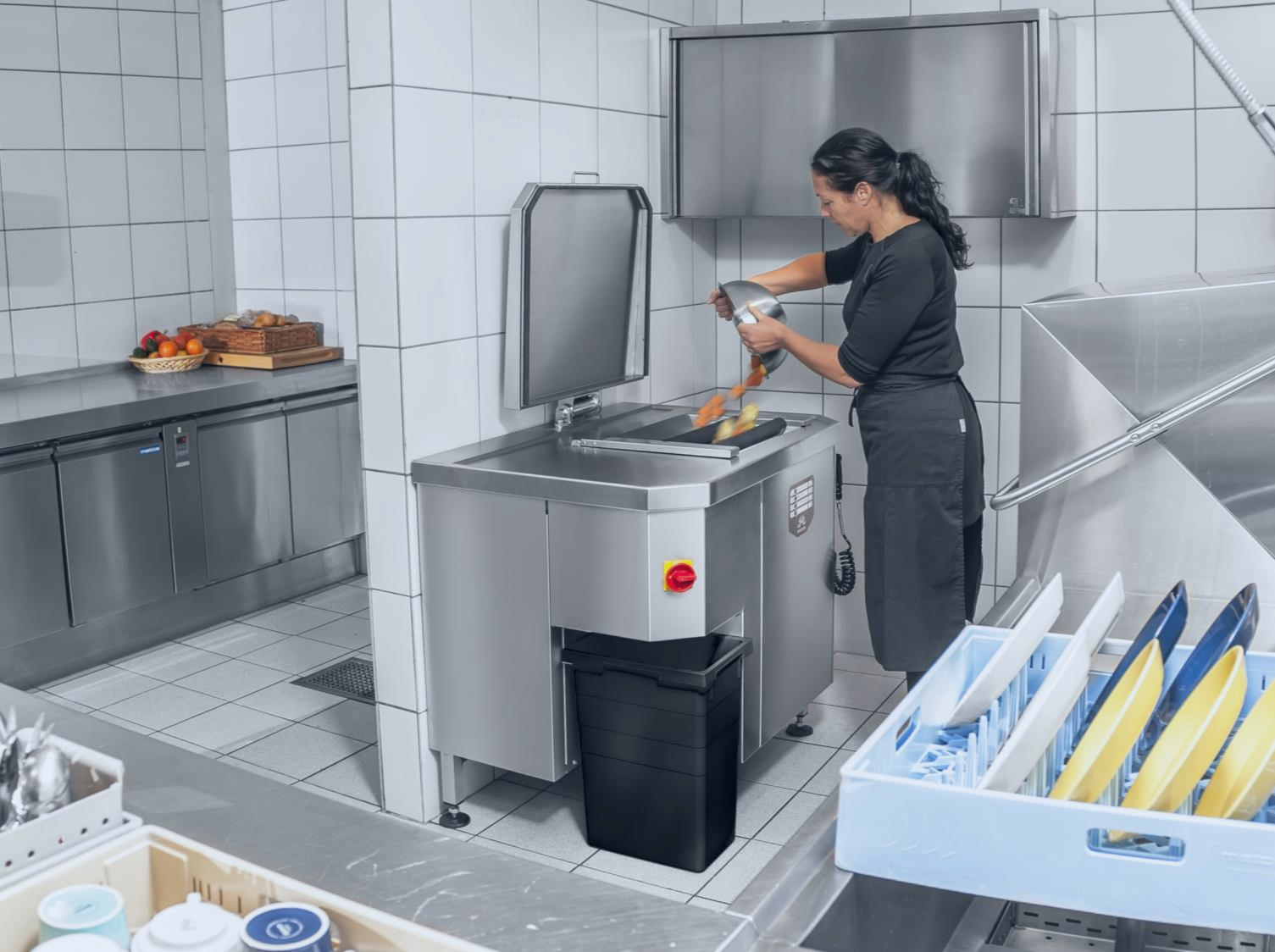
A food waste system is an integrated setup that collects, processes, and repurposes organic waste. These systems combine advanced machinery—like grinders, dehydrators, and collection units—to handle waste at the source.
By automating the process of waste breakdown and volume reduction, such systems streamline waste handling while preparing materials for composting, energy generation, or reuse.
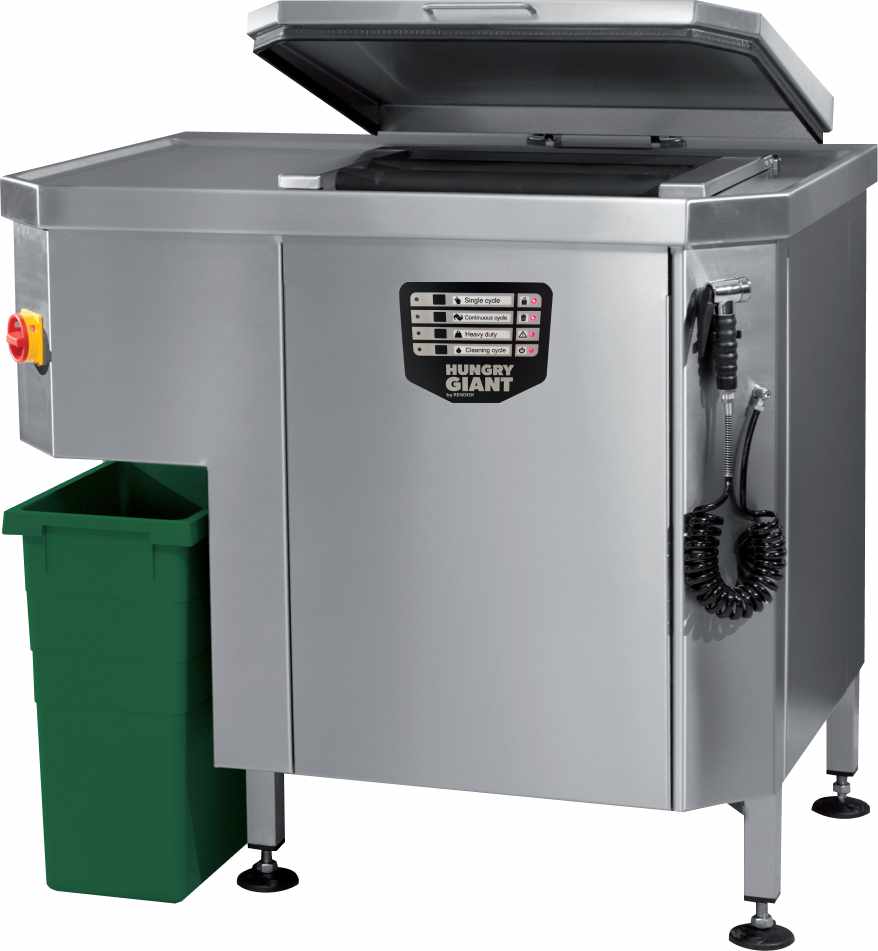
At Hungry Giant, each food waste system is engineered for maximum efficiency and sustainability, offering tailored solutions for commercial and industrial environments.
Types of Food Waste Equipment
There are various types of food waste equipment, each designed for a specific function in the waste management chain:
There are various types of food waste equipment, each designed for a specific function in the waste management chain:
Food Waste Grinders: Break down large waste particles for easier processing.
Dehydrators: Extract moisture from food waste, reducing its volume by up to 80%.
Compactors: Compress waste to minimize space during storage or transportation.
Collectors and Separators: Segregate organic waste from non-recyclable materials for cleaner processing.
Together, these components form a cohesive system that reduces waste efficiently and hygienically.
Food Waste Recycling Equipment Explained
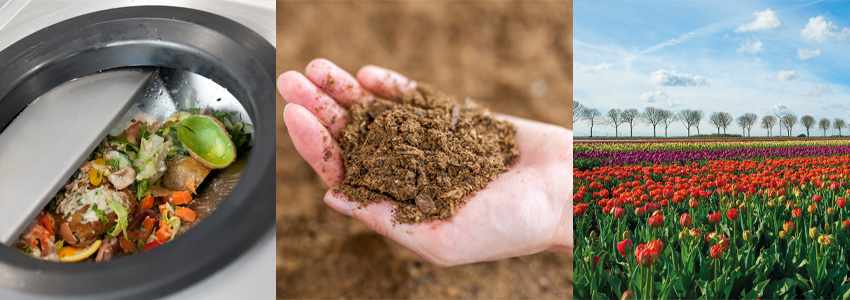
Food waste recycling equipment takes waste management a step further by converting organic material into valuable by-products. These systems process food waste into compost, biofuel, or biomass that can be reintegrated into the production cycle.
This technology not only eliminates unnecessary landfill contributions but also helps organizations close the loop in their sustainability efforts. With Hungry Giant’s food waste recycling equipment, businesses can implement true circular economy practices, turning waste into a renewable resource.
Integrating Equipment into Existing Operations
Modern food waste systems are built for flexibility. They can be easily integrated into existing commercial kitchens, industrial plants, or institutional setups without significant structural changes.
The integration ensures smooth waste flow from collection to processing, maintaining hygiene, safety, and efficiency throughout.
Hungry Giant’s modular designs make it possible for organizations to expand or upgrade their systems as their waste output grows.
Hungry Giant’s Innovative Solutions
Hungry Giant stands at the forefront of waste management innovation. Their solutions are built on precision engineering, environmental responsibility, and practical application.
From compact units suitable for restaurants to large-scale systems for food manufacturers, Hungry Giant’s food waste equipment delivers unmatched durability and performance.
Every component is crafted with sustainability in mind—reducing carbon emissions, conserving energy, and helping clients meet green certification standards.
Environmental Benefits of Modern Food Waste Systems
Implementing a food waste system yields measurable environmental advantages:
Reduction in greenhouse gases through landfill diversion
Lower carbon footprint from reduced transport needs
Improved soil quality from organic compost generation
Cleaner waste streams that support recycling efficiency
Such outcomes align perfectly with global sustainability targets and local waste reduction mandates.
Energy and Resource Recovery
Food waste recycling equipment also enables energy recovery through processes like anaerobic digestion and biomass conversion. These systems transform waste into methane for fuel, electricity, or heat—contributing to renewable energy production and reducing dependence on fossil fuels.
Cost Savings and Operational Efficiency
Beyond environmental value, food waste equipment brings financial advantages. By minimizing disposal costs and reducing waste volume, organizations can lower overall operating expenses.
Automated systems reduce manual labor, improve safety, and streamline waste handling. In high-volume industries, the return on investment can be achieved within months, especially when integrated with waste-to-energy solutions.
Industries Benefiting from Food Waste Equipment
The application of food waste recycling equipment extends across numerous sectors:
Hospitality: Hotels, resorts, and cruise lines manage waste on-site efficiently.
Food Processing: Manufacturers handle organic by-products sustainably.
Healthcare: Hospitals ensure hygienic waste disposal.
Education: Schools and universities support green campus initiatives.
Retail & Supermarkets: Efficiently handle expired or unsold perishables.
Each of these industries benefits from cleaner operations, reduced costs, and improved sustainability profiles.
Key Features of Hungry Giant’s Food Waste Recycling Equipment
Hungry Giant’s equipment stands out for its:
Durable stainless-steel construction for longevity
Automated operation systems for convenience
Low energy consumption and high throughput capacity
Smart controls for monitoring performance and efficiency
Odor control technology to maintain a pleasant environment
These systems embody the balance between industrial performance and environmental responsibility.
Installation and Maintenance Tips
Proper installation and upkeep ensure the longevity and efficiency of your food waste system:
Follow manufacturer specifications for placement and electrical setup.
Train staff on operational procedures and safety protocols.
Conduct routine inspections for blades, sensors, and seals.
Schedule periodic servicing to ensure compliance and functionality.
Hungry Giant provides dedicated maintenance support to help clients keep their systems performing optimally year-round.
Future Trends in Food Waste Management
The future of food waste recycling equipment lies in smart technology. Systems equipped with AI and IoT sensors will soon analyze waste composition in real time, optimize processing, and predict maintenance needs automatically.
Furthermore, governments worldwide are incentivizing zero-waste initiatives—making adoption of modern systems both a financial and ethical imperative. Hungry Giant continues to invest in R&D to ensure its clients remain ahead of the curve.
FAQs
1. What is a food waste system?
A food waste system is an integrated setup for collecting, processing, and recycling food waste in commercial or industrial settings.
2. How does food waste recycling equipment work?
It grinds, dehydrates, or converts waste into reusable forms such as compost or bioenergy.
3. What are the benefits of installing food waste equipment?
It reduces landfill waste, cuts operational costs, improves hygiene, and supports environmental compliance.
4. Can food waste systems be customized?
Yes, Hungry Giant designs scalable solutions tailored to different industries and waste volumes.
5. Is food waste recycling equipment suitable for small businesses?
Absolutely. Modular units can fit kitchens, cafés, and smaller facilities efficiently.
6. How does Hungry Giant ensure system reliability?
Through precision engineering, premium materials, and dedicated maintenance support.
Conclusion
Adopting food waste systems, food waste equipment, and food waste recycling equipment is no longer optional—it’s essential. These technologies redefine sustainability by transforming waste from a liability into an opportunity.
With innovative solutions from Hungry Giant, businesses can reduce costs, improve efficiency, and take a proactive step toward a cleaner, greener future.
Sustainable change begins with smarter systems—and Hungry Giant leads the way.



Write a comment ...