Introduction
Running a successful restaurant means juggling multiple priorities—quality food, customer service, cost control, and cleanliness. But one area that’s often overlooked is restaurant waste management. With rising disposal costs, environmental concerns, and stricter health regulations, how your restaurant handles waste has become more important than ever.
In this guide, we’ll explore practical, efficient strategies for managing food waste, improving restaurant waste collection, and creating a cleaner, greener kitchen. Whether you operate a small café or a multi-site restaurant chain, these tips can make a real difference.

Why Restaurant Waste Management Matters
Food waste is a huge problem in the hospitality industry. According to recent studies, restaurants waste up to 10% of all food purchased, costing thousands in lost revenue each year. But the impact doesn’t stop there.
Poorly managed waste can lead to:
Unpleasant odors
Pest infestations
Regulatory fines
Increased operational costs
Negative environmental impact
On the flip side, strong restaurant waste management can cut costs, boost staff morale, and demonstrate your commitment to sustainability—something today’s customers truly value.
Types of Waste in Restaurants
Before you can manage waste, you need to understand what you’re dealing with. Restaurants typically generate:
Food waste – scraps, spoiled produce, plate leftovers
Packaging waste – cardboard boxes, plastic containers, wrappers
Glass, metal, and recyclables
Used cooking oil and grease
Hazardous waste – cleaning chemicals, broken glass
Effective waste management starts by sorting these types of waste at the source.
The Role of Restaurant Waste Collection
Restaurant waste collection is more than just taking out the trash. It involves scheduling, separating waste types, using the right bins, and partnering with reliable waste collection services.
Poor collection processes can cause bins to overflow, attract vermin, or result in recyclable materials being sent to landfill. Optimizing your restaurant waste collection ensures cleaner back-of-house areas, more efficient waste handling, and reduced service fees.
7 Smart Restaurant Waste Management Tips
1. Perform a Waste Audit
Start by tracking what types and how much waste your restaurant produces in a typical week. This helps you spot trends, reduce over-ordering, and identify waste-heavy practices.
2. Segregate Waste Properly
Use color-coded bins for food scraps, recyclables, and general waste. This helps staff dispose of waste correctly and supports better recycling outcomes.
3. Use a Food Waste Grinder or Dehydrator
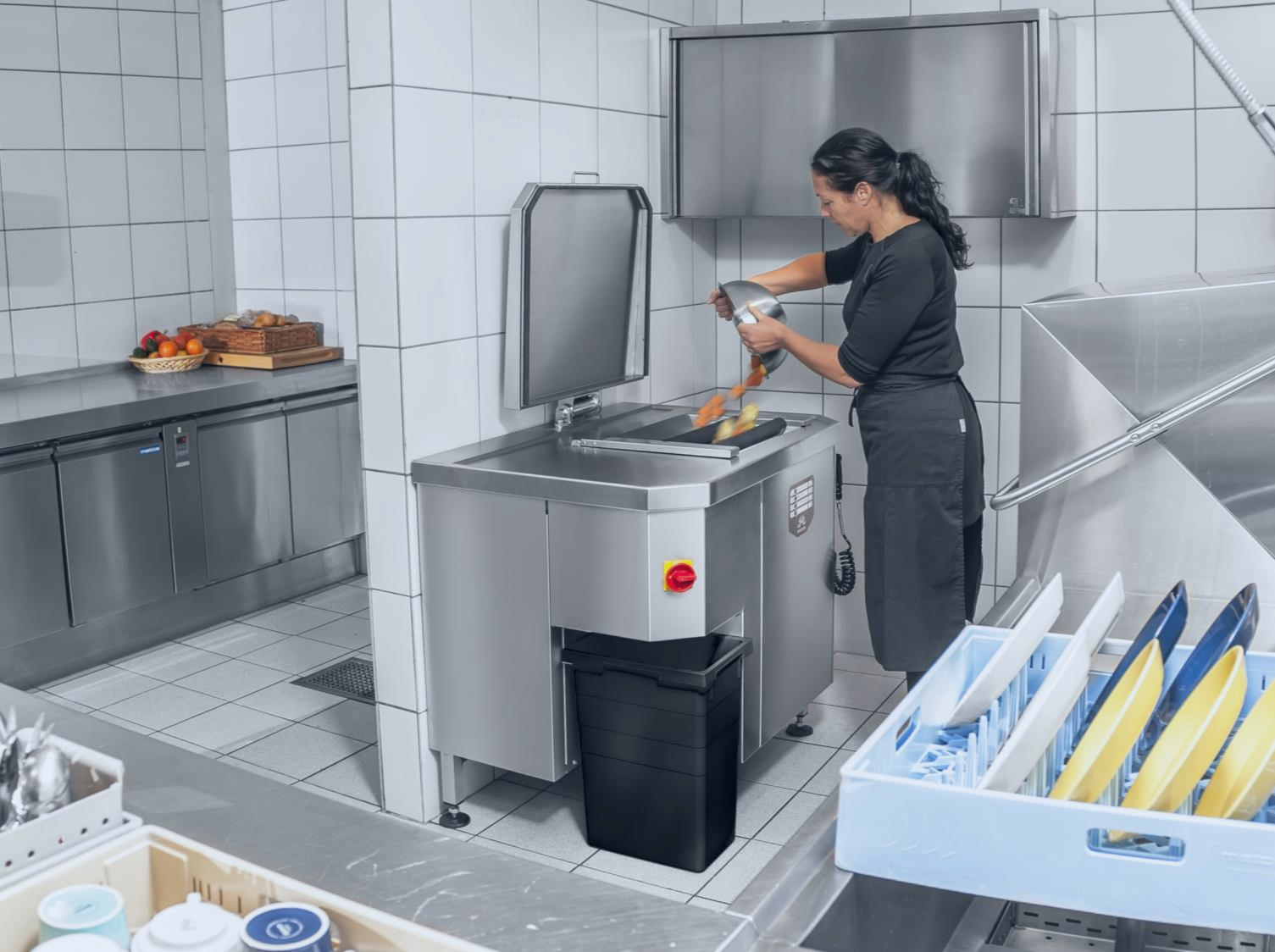
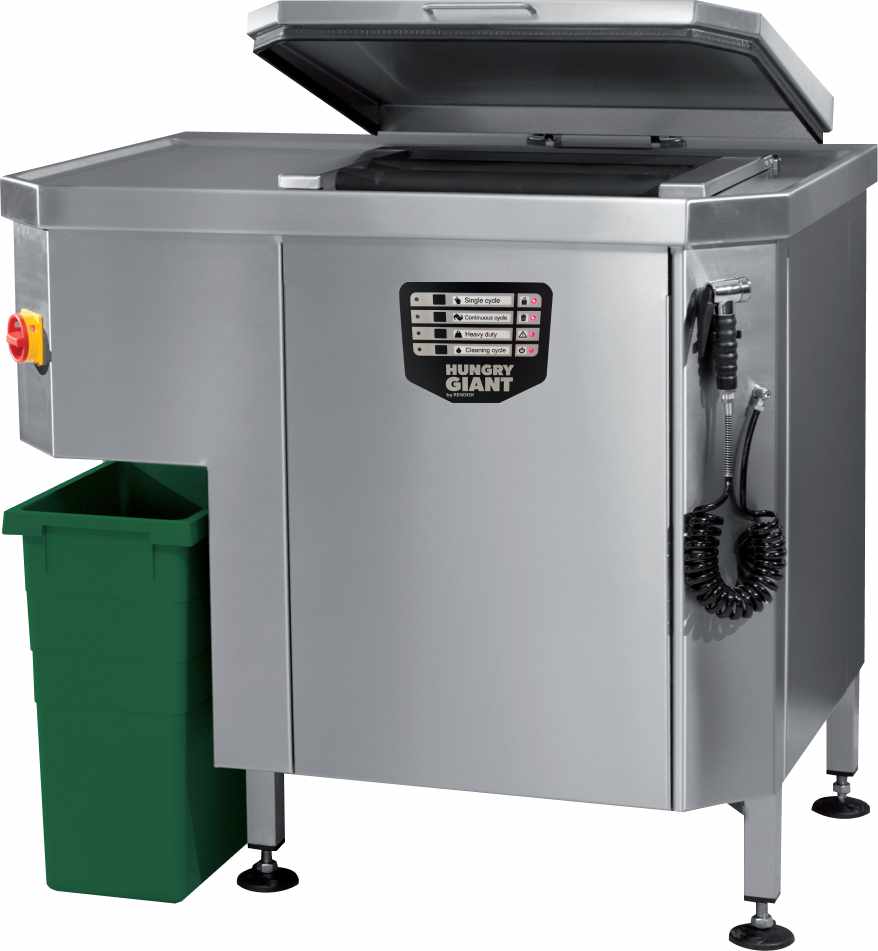
Machines like food waste grinding machines (e.g., from Hungry Giant) reduce the volume of food waste by breaking it down on-site. This leads to fewer collections, lower disposal fees, and improved hygiene.
4. Train Your Team
Ensure all kitchen and front-of-house staff understand your waste protocols. Regular training and visible signage go a long way.
5. Work with a Trusted Collection Partner
Choose a waste collection company that aligns with your goals. Some specialize in composting or food waste recycling and can offer better rates and greener solutions.
6. Compost When Possible
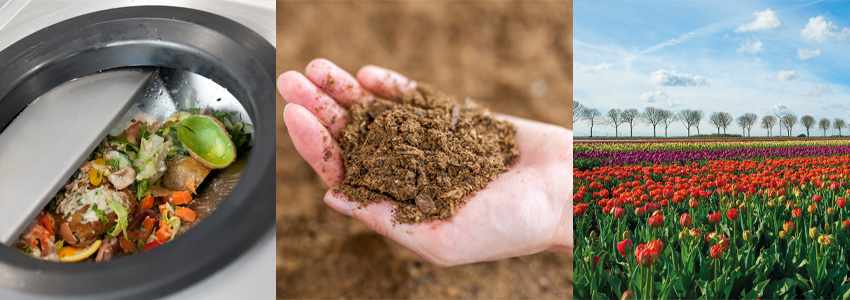
If local regulations allow, composting food scraps either on-site or through a third-party service can turn waste into a valuable resource.
7. Measure and Improve
Track your waste output over time and set reduction targets. This keeps your team focused and helps you demonstrate progress to stakeholders or customers.
Benefits of Streamlined Waste Collection
Improving your restaurant waste collection system doesn’t just benefit the environment—it directly affects your bottom line.
Key benefits include:
Lower bin rental and pickup fees
Cleaner and safer kitchen areas
Reduced staff time spent on waste management
Better compliance with food safety and waste regulations
Enhanced brand image among eco-conscious diners
In a competitive market, showing that your business is serious about sustainability can be a major selling point.
Tech-Driven Restaurant Waste Solutions
Many modern restaurants are turning to technology for waste tracking and automation. Smart bins with sensors, data analytics platforms, and cloud-based tracking systems help businesses monitor waste levels and collection schedules.
Companies like Hungry Giant offer equipment and digital tools that can become part of your larger waste strategy, combining on-site food processing with reporting tools to track sustainability metrics.
Common Mistakes in Restaurant Waste Management
Avoid these pitfalls:
Mixing recyclables and general waste
Using the wrong size or type of bins
Skipping staff training
Over-ordering stock that leads to spoilage
Not auditing waste regularly
These small missteps can add up to big costs over time.
Frequently Asked Questions
1. What’s the most effective way to reduce restaurant food waste?
Start with a waste audit, adjust ordering practices, and use tools like food waste grinders to minimize bulk and odors.
2. How often should waste be collected from a restaurant?
This depends on your waste volume, but most restaurants schedule pickups daily or several times a week. Partnering with a smart collector can help optimize this.
3. Can food waste be recycled?
Yes. With the right setup, food waste can be composted or processed into energy through anaerobic digestion.
4. Is restaurant waste management expensive?
Not if it’s done efficiently. Investing in the right tools and strategies often leads to significant cost savings.
5. What are the legal requirements for restaurant waste collection?
This varies by region. Typically, businesses must separate recyclables, store waste safely, and use licensed waste carriers.
6. What role does Hungry Giant play in waste management?
Hungry Giant offers cutting-edge food waste equipment like grinders and dehydrators that make on-site processing easier and more sustainable.
Final Thoughts
Effective restaurant waste management isn’t just a back-of-house concern—it’s a business strategy. By improving restaurant waste collection, separating waste at the source, and adopting smart equipment, your business can lower costs, reduce environmental impact, and create a cleaner, more professional kitchen environment.
Whether you're a small eatery or a large chain, it’s time to rethink how you handle waste. Tools from companies like Hungry Giant make it easier than ever to manage food waste responsibly, while boosting your business’s reputation for sustainability.



Write a comment ...