Introduction: Why Commercial Food Waste Collection Matters
For many businesses, especially those in hospitality, healthcare, and retail, food waste is one of the biggest operational challenges. Without proper handling, it leads to high disposal costs, environmental harm, and hygiene issues. That’s where commercial food waste collection steps in—making waste management simpler, cleaner, and more sustainable.
Specialised food waste collection companies and food waste collection service providers are now helping organisations transform waste disposal into a structured, eco-friendly process. With solutions from Hungry Giant, businesses not only cut costs but also move closer to achieving sustainability goals.
What Is a Commercial Food Waste Collection Service?
A commercial food waste collection service is a professional waste management solution designed for businesses that generate large volumes of organic waste.
How It Differs from Regular Waste Collection
Focuses solely on food waste.
Uses specialised bins and transport to prevent contamination.
Partners with recycling and composting facilities.
Key Functions of Food Waste Collection Companies
Scheduled waste pickups.
Safe and hygienic transportation.
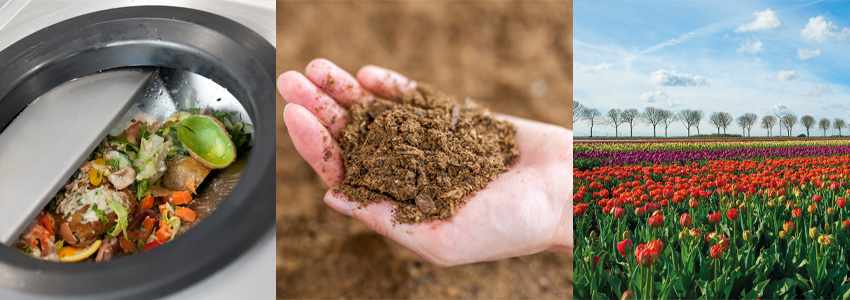
Recycling waste into compost, energy, or animal feed.
The Global Food Waste Challenge
Scale of the Problem
According to the UN, nearly 1.3 billion tonnes of food are wasted annually, costing businesses billions worldwide.
Environmental Impact
When dumped in landfills, food waste produces methane, a potent greenhouse gas that accelerates climate change.
Benefits of Commercial Food Waste Collection
Cost Reduction for Businesses
By diverting food waste from landfills, businesses cut down on expensive disposal fees.
Cleaner and Safer Work Environments
Regular pickups reduce odour, pests, and contamination risks.
Regulatory Compliance
Many regions now mandate separate food waste collection. Partnering with reliable food waste collection companies ensures compliance.
Sustainability and CSR Advantages
Eco-conscious waste management strengthens a company’s reputation and aligns with customer values.
How Food Waste Collection Services Work
Scheduling and Pickup
Businesses set up collection schedules based on their waste output.
Sorting and Transportation
Waste is collected in dedicated bins and safely transported to processing sites.
Processing and Recycling
Food waste is recycled into compost, renewable energy, or converted into useful byproducts.
Types of Businesses That Rely on Food Waste Collection Companies
Hotels and Resorts
Handle buffet leftovers and daily kitchen waste.
Supermarkets and Grocery Chains
Manage expired produce and unsold goods responsibly.
Hospitals and Care Facilities
Maintain hygiene standards with daily food waste disposal.
Food Processing Plants
Deal with tons of organic waste efficiently.
Comparing Food Waste Collection Services vs Onsite Equipment
Benefits of Outsourcing to Companies
Convenient scheduling.
No upfront equipment investment.
Professional compliance handling.
Benefits of Onsite Processing
Reduces transportation needs.
Converts waste into usable byproducts directly.
Hybrid Approaches
Some businesses combine both—onsite equipment for daily operations and food waste collection services for large-scale disposal.
Hungry Giant’s Role in Food Waste Collection and Recycling
Innovative Solutions Beyond Collection
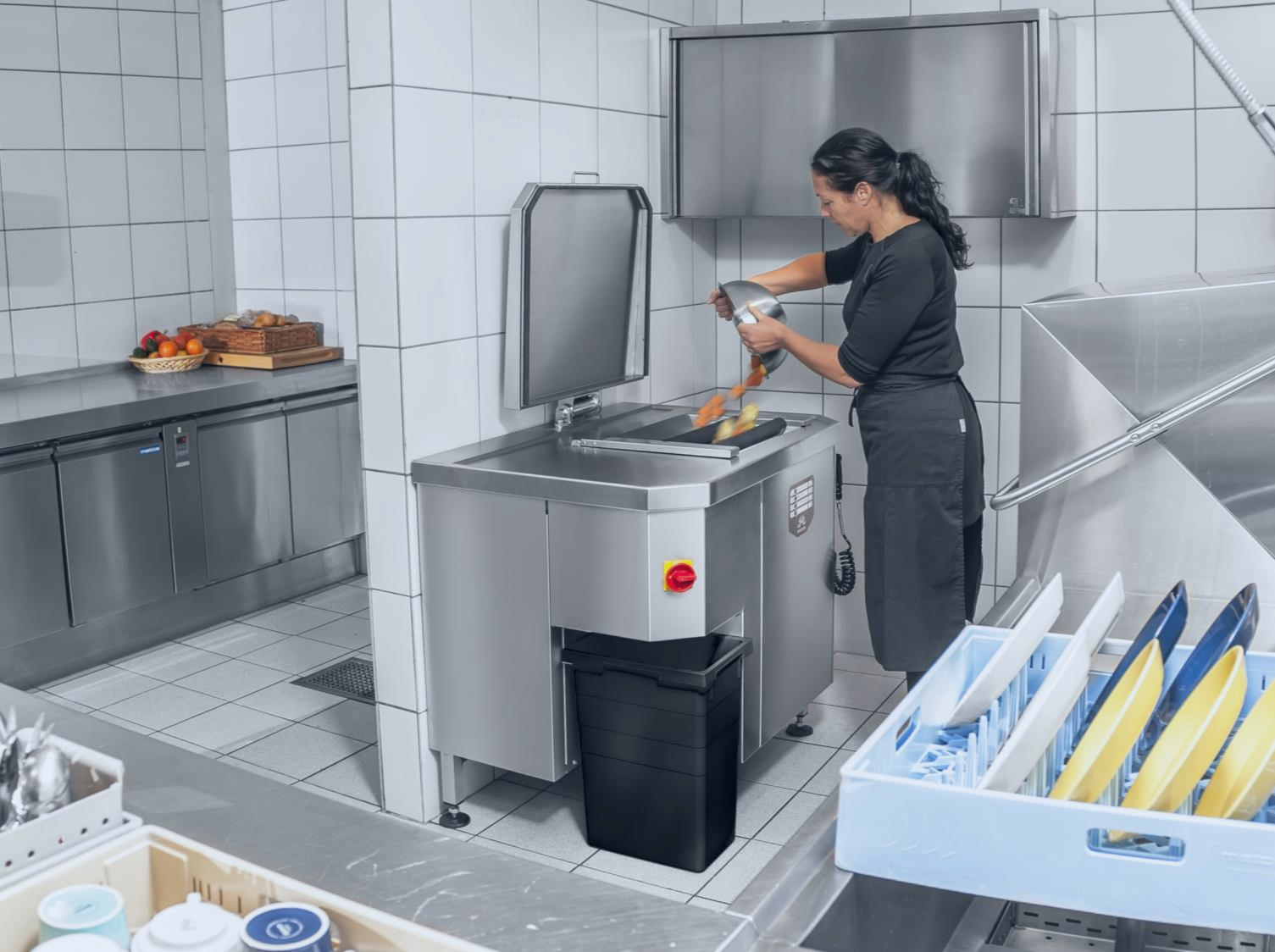
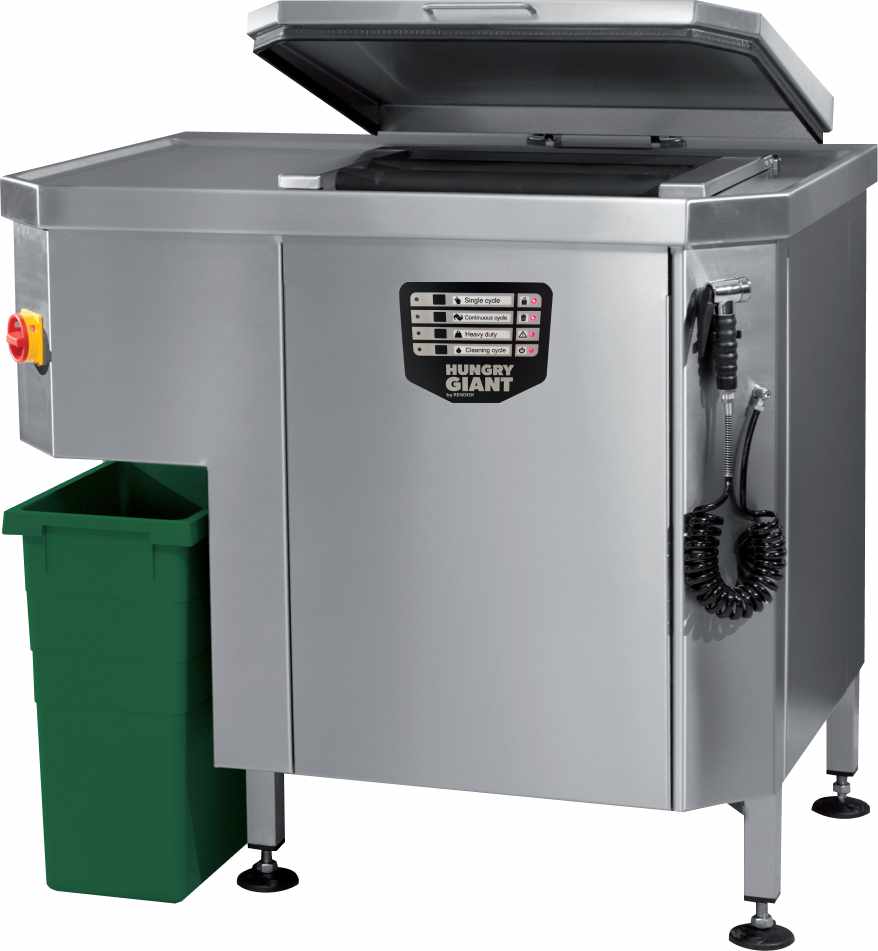
Hungry Giant provides more than just collection—they design cutting-edge food waste equipment for onsite processing, reducing reliance on external services.
Case Studies and Success Stories
Hotels, supermarkets, and institutions using Hungry Giant have reported reduced waste costs and improved sustainability.
Why Businesses Choose Hungry Giant
Advanced technology
Proven industry expertise
Reliable service and support
FAQs
Q1: What is the difference between commercial and residential food waste collection?
Commercial services handle larger volumes and provide tailored solutions for businesses, unlike residential pickups.
Q2: Can food waste collection companies recycle all types of food?
Most services handle produce, grains, and cooked food, but some exclude oils, plastics, or packaging.
Q3: How often should a business schedule food waste pickups?
It depends on waste volume—daily, weekly, or bi-weekly schedules are common.
Q4: Are food waste collection services cost-effective?
Yes, businesses often save money by reducing landfill fees and avoiding regulatory penalties.
Q5: What happens to collected food waste?
It’s typically recycled into compost, animal feed, or renewable energy.
Q6: How does Hungry Giant fit into food waste collection services?
Hungry Giant complements collection with onsite food waste equipment, helping businesses reduce volume before pickup.
Conclusion: Building Sustainable Businesses with Food Waste Collection Services
The rise of commercial food waste collection, alongside dedicated food waste collection companies, is transforming how businesses handle organic waste. These services improve efficiency, cut costs, and help organisations stay compliant with environmental laws.
With leaders like Hungry Giant, companies can combine collection with advanced onsite solutions to create a truly sustainable waste management system. Choosing the right partner today ensures a cleaner, greener tomorrow.


Write a comment ...