Managing food waste has become one of the biggest challenges for industries, businesses, and communities worldwide. Every day, restaurants, hotels, hospitals, and food processing facilities generate tons of organic waste. Without proper solutions, this waste leads to foul odours, high disposal costs, and environmental damage.
That’s why advanced food waste systems and food waste equipment are transforming the way businesses handle organic waste. Instead of relying on outdated disposal methods, modern solutions allow waste to be processed efficiently, hygienically, and in an environmentally responsible way.
If your business is looking for reliable equipment to manage food waste at scale, Hungry Giant offers world-class food waste systems designed to make waste handling easier, cost-effective, and sustainable.

What Is a Food Waste System?
A food waste system is an integrated setup of specialised machines and processes that reduce, process, and manage food scraps from commercial or industrial facilities. Unlike simple trash bins or garbage disposals, these systems are engineered to handle large volumes of waste with efficiency and hygiene.
Depending on the business needs, a food waste system may include:
Grinders or Shredders – To break down food scraps into smaller particles.
Dehydrators or Dig-esters – To reduce volume and weight.
Storage Units – To contain processed waste before transport.
Transfer Systems – To move waste safely from kitchens to collection points.
By using these combined technologies, businesses can create a streamlined waste process that saves time, space, and money.
What Is Food Waste Equipment?
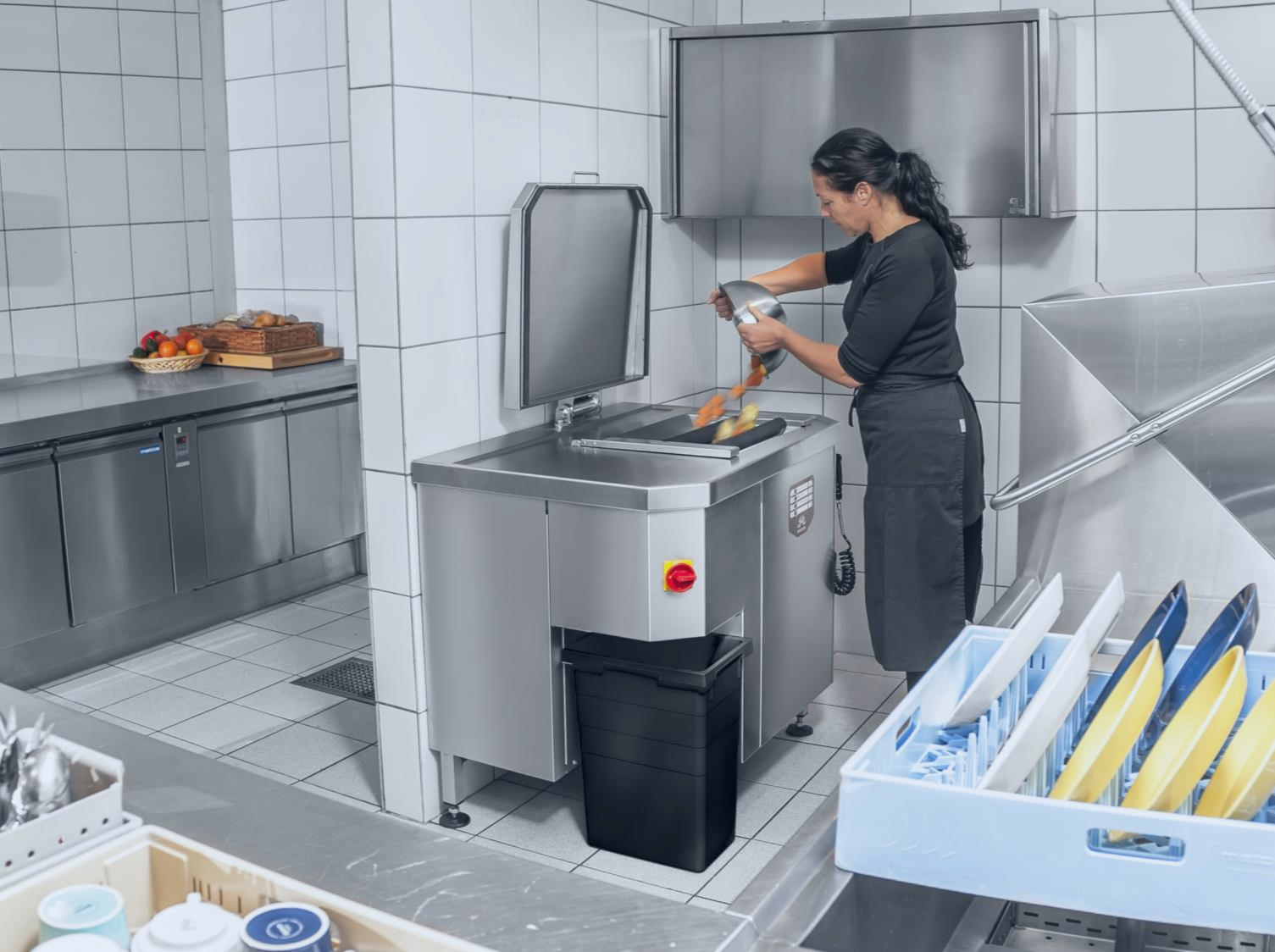
Food waste equipment refers to the individual machines that make up a larger system. These can range from compact grinders for smaller kitchens to large-scale dehydrators for industrial plants. Each piece of equipment is designed to tackle a specific step in the waste management process.
Common examples of food waste equipment include:
Food Waste Grinders – For breaking down food into smaller particles.
Pulping Systems – For reducing bulk and separating liquids.
Dehydration Units – For reducing waste volume by removing moisture.
Automated Transfer Systems – For moving waste without manual handling.
Choosing the right equipment ensures your business can process waste efficiently and sustainably.
Benefits of Food Waste Systems
Adopting a food waste system comes with many advantages that go beyond just disposal:
Hygiene and Safety
Waste is processed quickly, reducing odours, pests, and contamination risks.Space Saving
Ground or dehydrated waste takes up far less space than unprocessed scraps.Cost Efficiency
Lower waste volume means reduced hauling costs and fewer landfill fees.Sustainability
Processed waste can be composted, sent to anaerobic di-gesters, or repurposed, supporting green initiatives.Regulatory Compliance
Modern systems help businesses meet environmental and health regulations.
Hungry Giant: Leaders in Food Waste Systems
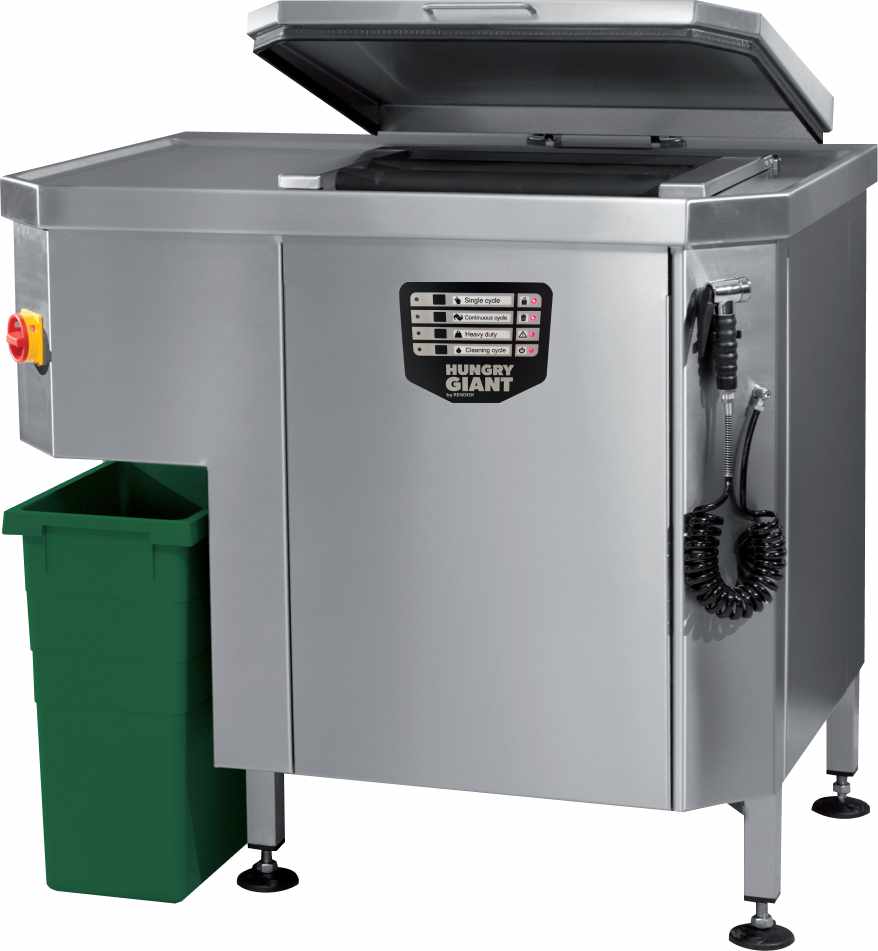
When businesses need reliable solutions, Hungry Giant is a trusted name in the industry. Their range of food waste equipment is designed for heavy-duty use, making them ideal for hotels, hospitals, universities, and food production facilities.
Why Choose Hungry Giant?
Durability: Built to withstand continuous operation.
Efficiency: Handles high volumes of food waste effortlessly.
Innovation: Cutting-edge technology for modern sustainability goals.
Custom Solutions: Systems tailored for businesses of all sizes.
Commitment to Sustainability: Helping businesses reduce landfill waste and carbon footprint.
You can explore their full lineup of food waste systems at Hungry Giant.
Industries That Benefit from Food Waste Equipment
Modern food waste equipment is versatile and supports a variety of industries:
Hospitality (Hotels & Resorts): Manage buffet and kitchen waste efficiently.
Healthcare (Hospitals & Nursing Homes): Maintain hygiene while reducing disposal costs.
Food Processing Plants: Handle by-products and production scraps with ease.
Education (Schools & Universities): Support sustainability programs on campus.
Restaurants & Cafeterias: Streamline kitchen operations and maintain cleanliness.
Food Waste Systems and Sustainability
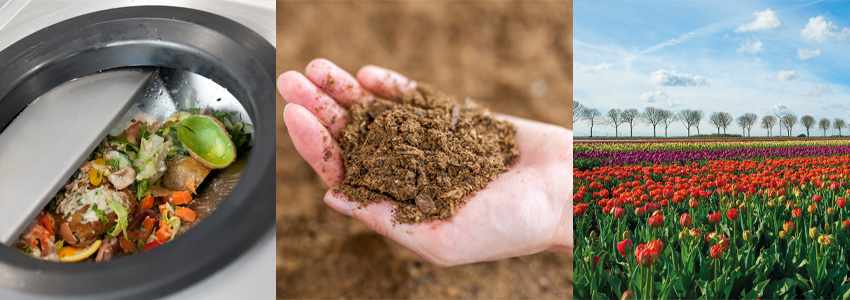
One of the most important roles of a food waste system is its environmental impact. Instead of sending tons of organic waste to landfills, processed waste can be diverted to:
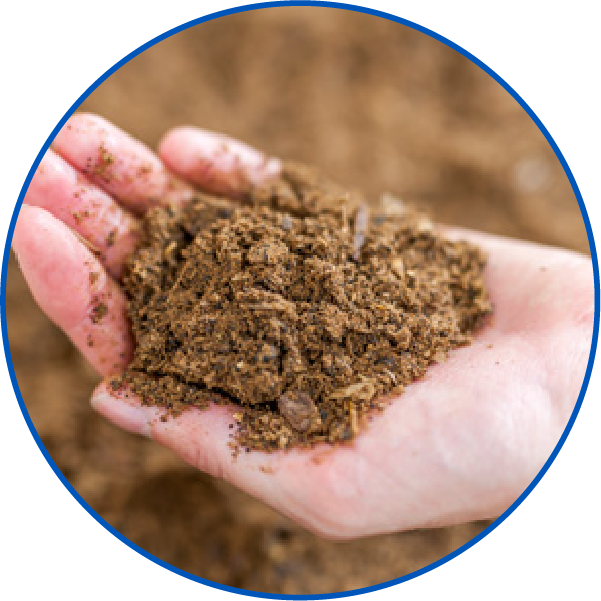
Composting Facilities – Turning organic scraps into nutrient-rich soil.
Anaerobic Digesters – Converting food waste into renewable bio-gas and electricity.
Farms & Agriculture – Providing by-products that can be repurposed as soil enhancers.
By using food waste equipment, businesses contribute to a circular economy—reducing landfill dependence and supporting green initiatives.
How to Choose the Right Food Waste Equipment
Selecting the best system depends on your business’s needs. Consider the following:
Daily Waste Volume – High-volume operations need industrial-scale machines.
Space Availability – Choose compact or modular systems if space is limited.
Type of Waste – Ensure the equipment can handle mixed food waste (meat, vegetables, bones, etc.).
Maintenance Needs – Opt for systems that are easy to clean and service.
Supplier Support – Partner with companies like Hungry Giant that provide training and after-sales support.
FAQs About Food Waste Systems
Q1. What is a food waste system?
A food waste system is a combination of machines that process and manage food scraps efficiently.
Q2. How does food waste equipment help businesses?
It reduces waste volume, cuts costs, improves hygiene, and supports sustainability goals.
Q3. Can food waste equipment handle all types of food scraps?
Yes, high-quality equipment can process vegetables, fruits, meat, and even some bones.
Q4. Are food waste systems environmentally friendly?
Absolutely! They support composting, renewable energy production, and reduce landfill use.
Q5. Where can I buy reliable food waste systems?
Hungry Giant provides trusted, durable solutions at Hungry Giant.
Final Thoughts
Food waste is a serious challenge for businesses and industries, but with the right food waste systems and food waste equipment, it becomes an opportunity for efficiency and sustainability.
Providers like Hungry Giant are making it possible for businesses to manage waste responsibly, reduce costs, and build greener operations for the future.

Write a comment ...