
Managing food waste is a major challenge for businesses involved in food production, hospitality, healthcare, and more. Traditional disposal methods can be costly and environmentally damaging. That's where a comprehensive food waste system comes in—designed to streamline waste management, reduce environmental impact, and save money.
What Is Food Waste Equipment?
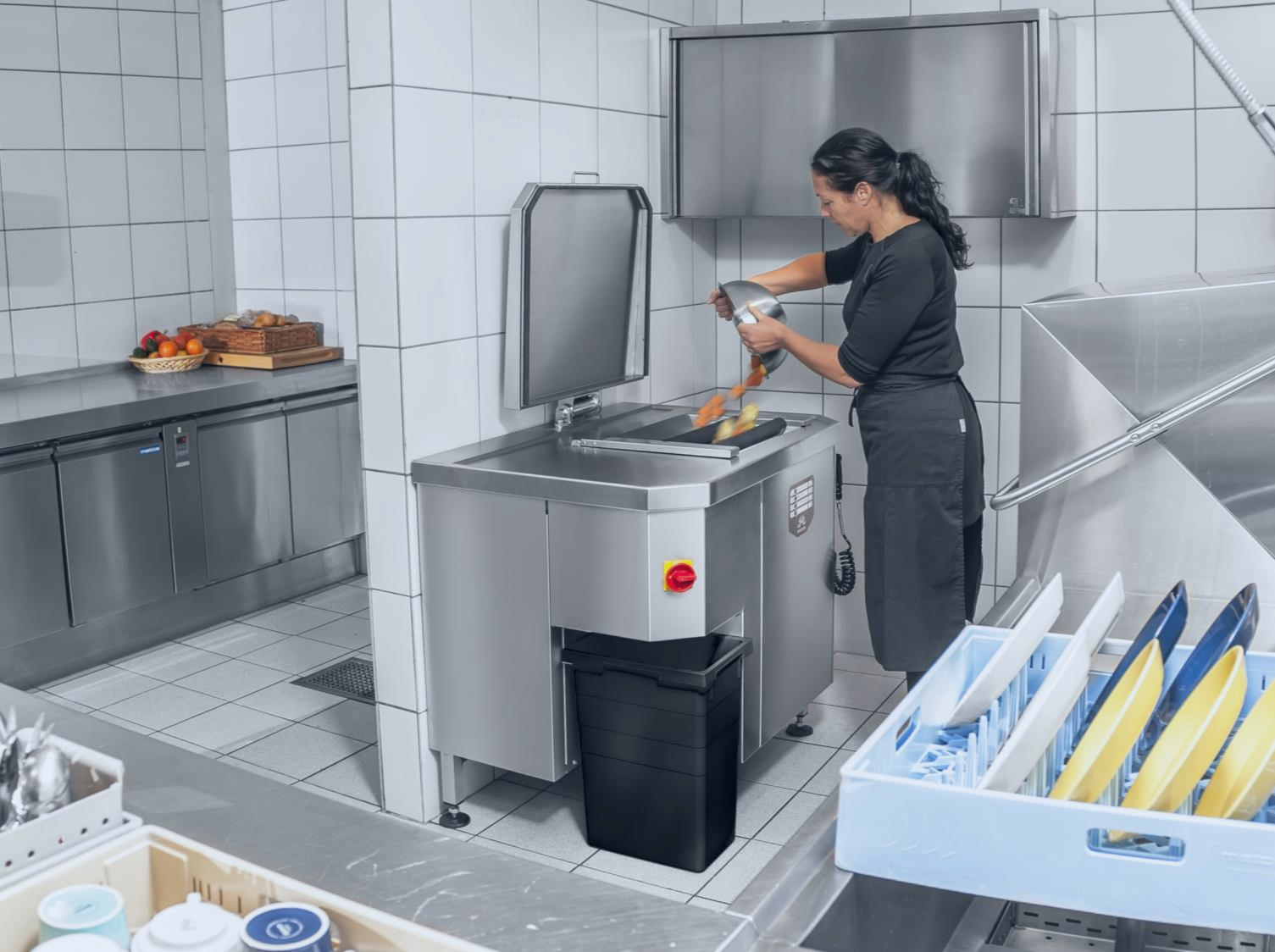
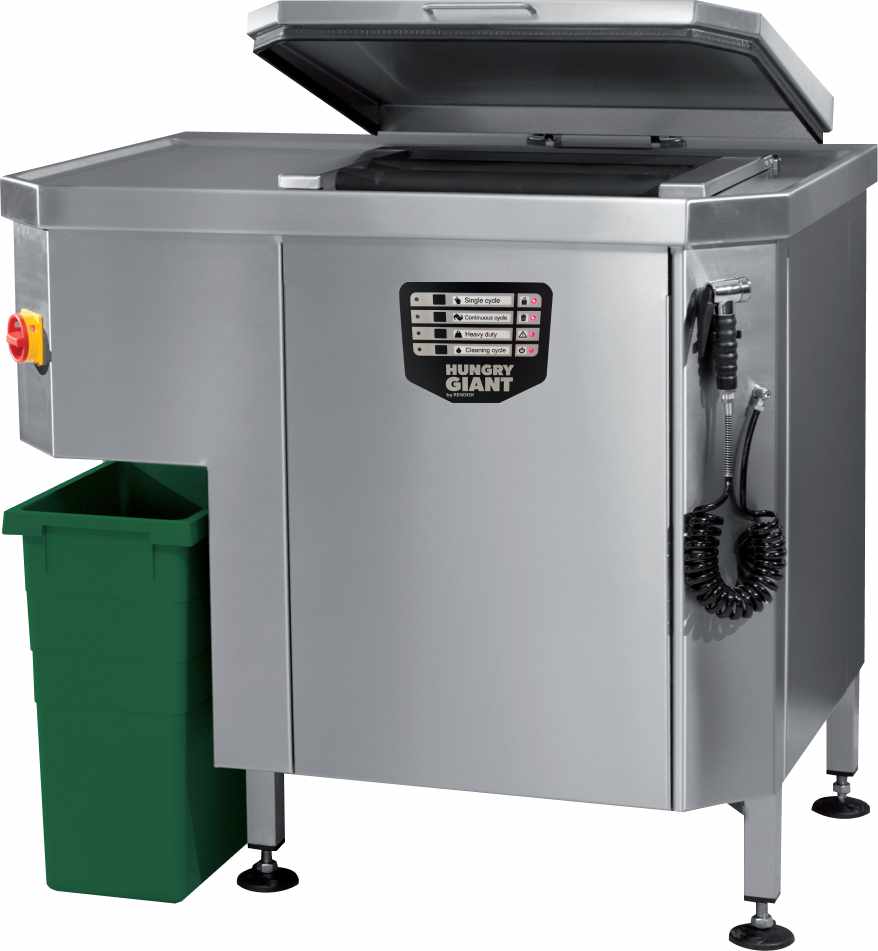
Food waste equipment refers to machinery that helps handle, process, and reduce food waste. This includes devices like shredders, grinders, dehydrators, and composters that break down food waste for easier disposal or recycling. These tools are vital components of a modern food waste system, helping businesses efficiently process organic waste on-site.
Understanding Food Waste Recycling Equipment
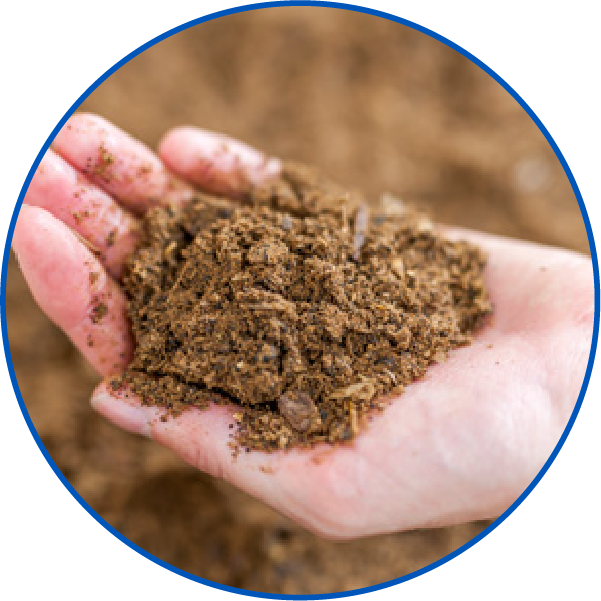
Food waste recycling equipment focuses specifically on converting food waste into reusable products such as compost, bioenergy, or animal feed. This category includes advanced digesters, composters, and recycling machines that reduce landfill waste and promote circular economy practices.
By integrating recycling equipment into a food waste system, businesses can significantly reduce their carbon footprint and contribute to a more sustainable future.
Why Your Business Needs a Food Waste System
In today's regulatory and environmentally conscious climate, adopting a food waste system isn’t just good practice—it's essential. Benefits include:
Cutting waste disposal costs
Minimizing environmental impact
Complying with stricter waste management laws
Enhancing workplace hygiene and safety
Increasing operational efficiency
7 Key Benefits of Food Waste Equipment and Recycling Equipment
1. Significant Reduction in Waste Volume
By shredding and grinding waste, these systems reduce volume drastically, leading to fewer bins and less frequent pickups.
2. Lower Disposal Costs
Smaller waste volumes translate into reduced hauling fees and fewer trips to landfills or recycling centers.
3. Improved Hygiene and Odor Control
Processing food waste immediately reduces odors and limits pest infestations in kitchens and waste areas.
4. Environmental Sustainability
Food waste recycling equipment helps divert organic material from landfills, cutting methane emissions and turning waste into useful byproducts.
5. Compliance with Regulations
Many jurisdictions require food businesses to separate and recycle organic waste. Having a robust food waste system ensures you meet these legal requirements.
6. Labor and Time Savings
Automated equipment reduces the time and manpower needed to handle food waste, allowing staff to focus on core business operations.
7. Enhanced Corporate Social Responsibility
Demonstrating commitment to sustainable practices improves brand image and can attract environmentally conscious customers and partners.
How to Choose the Right Food Waste Equipment
Choosing the right food waste equipment and food waste recycling equipment depends on:
The volume and type of food waste generated
Available space for equipment installation
Budget and expected ROI
Local waste disposal regulations
Desired end product (compost, biogas, animal feed)
For small businesses, compact shredders and dehydrators might suffice. Larger operations often require industrial grinders and digesters.
Industries That Can Benefit Most
Restaurants and Food Service
Hotels and Resorts
Hospitals and Healthcare Facilities
Food Processing and Manufacturing
Educational Institutions
Supermarkets and Retail Food Outlets
Each of these sectors produces significant food waste and can greatly improve waste management through tailored food waste systems.
Challenges in Food Waste Management
Common challenges include contamination with non-organic waste, limited space for equipment, staff training needs, and ensuring consistent waste segregation. Proper planning and equipment choice can overcome these hurdles effectively.
Integrating Food Waste Recycling Equipment into Your Operations
Begin with a waste audit to understand your food waste profile. Collaborate with equipment providers to design a system tailored to your needs. Train employees on proper waste sorting and machine operation for maximum efficiency and safety.
Maintenance and Safety Tips
Regular cleaning and maintenance extend equipment life and ensure safe operation. Choose machines with built-in safety features and corrosion-resistant materials. Partner with reliable service providers for routine checks and repairs.
Environmental Benefits of Food Waste Systems
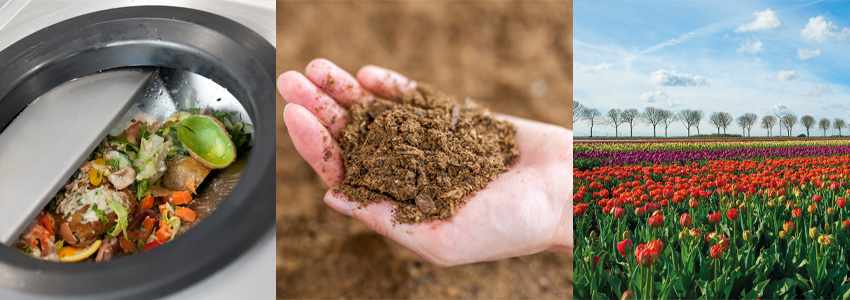
By diverting organic waste from landfills, food waste systems help reduce greenhouse gas emissions and contribute to soil health through compost. This supports broader sustainability goals and environmental stewardship.
Compliance and Legal Considerations
Many regions enforce laws mandating organic waste separation and recycling. Non-compliance can result in fines or penalties. Implementing a compliant food waste system helps your business avoid legal issues and improves community relations.
Cost and ROI Analysis
While initial investment varies, the long-term savings on waste hauling, labor, and potential fines usually yield a positive return within the first year of operation. Additionally, the environmental and brand benefits are invaluable.
Frequently Asked Questions
Q1: What is the difference between food waste equipment and food waste recycling equipment?
Food waste equipment processes waste for easier disposal, while recycling equipment converts waste into reusable products like compost or energy.
Q2: Can these systems handle all types of food waste?
Most modern systems handle a wide range of organic waste, including fruits, vegetables, meat, and bones.
Q3: How much space is needed for food waste equipment?
Space requirements vary, but compact options are available for kitchens with limited room.
Q4: Is staff training required?
Yes, training ensures proper use and maintenance of equipment for safety and efficiency.
Q5: How do food waste systems impact environmental sustainability?
They reduce landfill waste and methane emissions, contributing to lower carbon footprints.
Q6: What maintenance is required for food waste equipment?
Regular cleaning, inspections, and servicing according to manufacturer guidelines keep equipment running smoothly.
Conclusion
Investing in a comprehensive food waste system featuring advanced food waste equipment and food waste recycling equipment is a smart move for any food-related business. These systems reduce costs, improve hygiene, ensure compliance, and support a sustainable future.
Whether you're a small café or a large processing plant, upgrading your waste management practices today will deliver lasting benefits for your business and the environment.


Write a comment ...