The Role of Food Waste Shredders in Modern Waste Systems
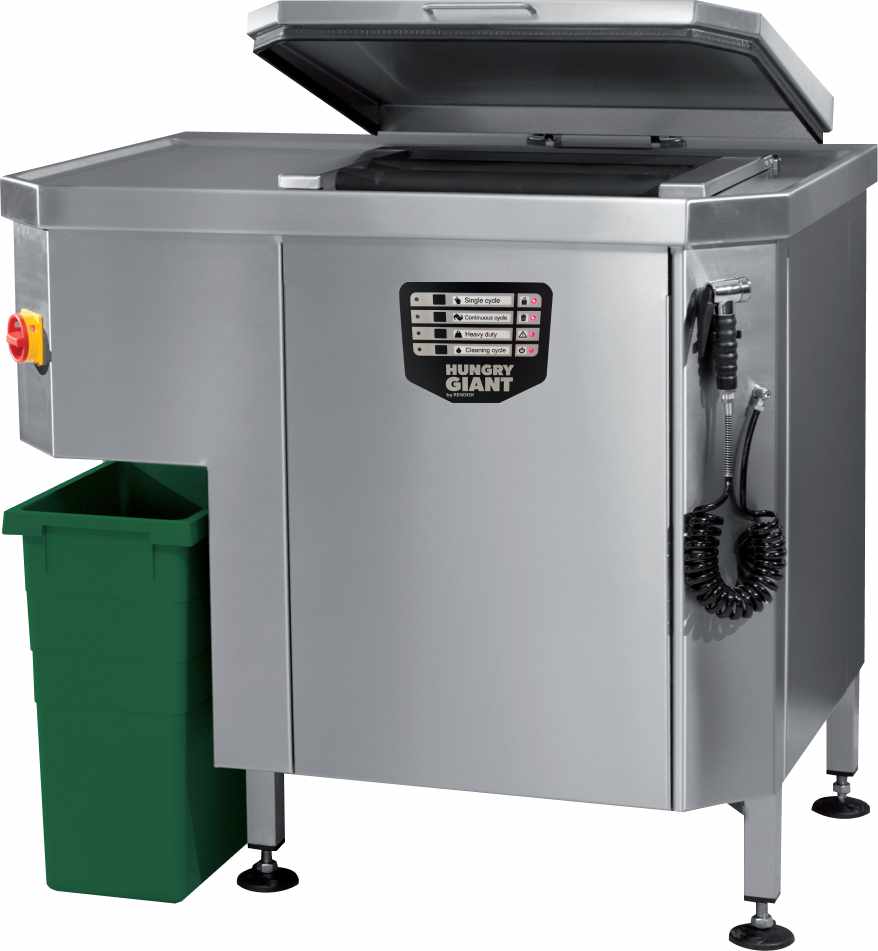
Efficient food waste management is crucial for businesses aiming to reduce their environmental impact and operational costs. At the heart of these systems are food waste shredders—robust machines designed to break down food scraps into smaller, more manageable pieces. Closely related, food waste grinders further refine this material to enable seamless recycling or disposal.
This article delves into the functions, benefits, and applications of food waste shredders and grinders, highlighting their importance in transforming food waste management.

What is a Food Waste Shredder?
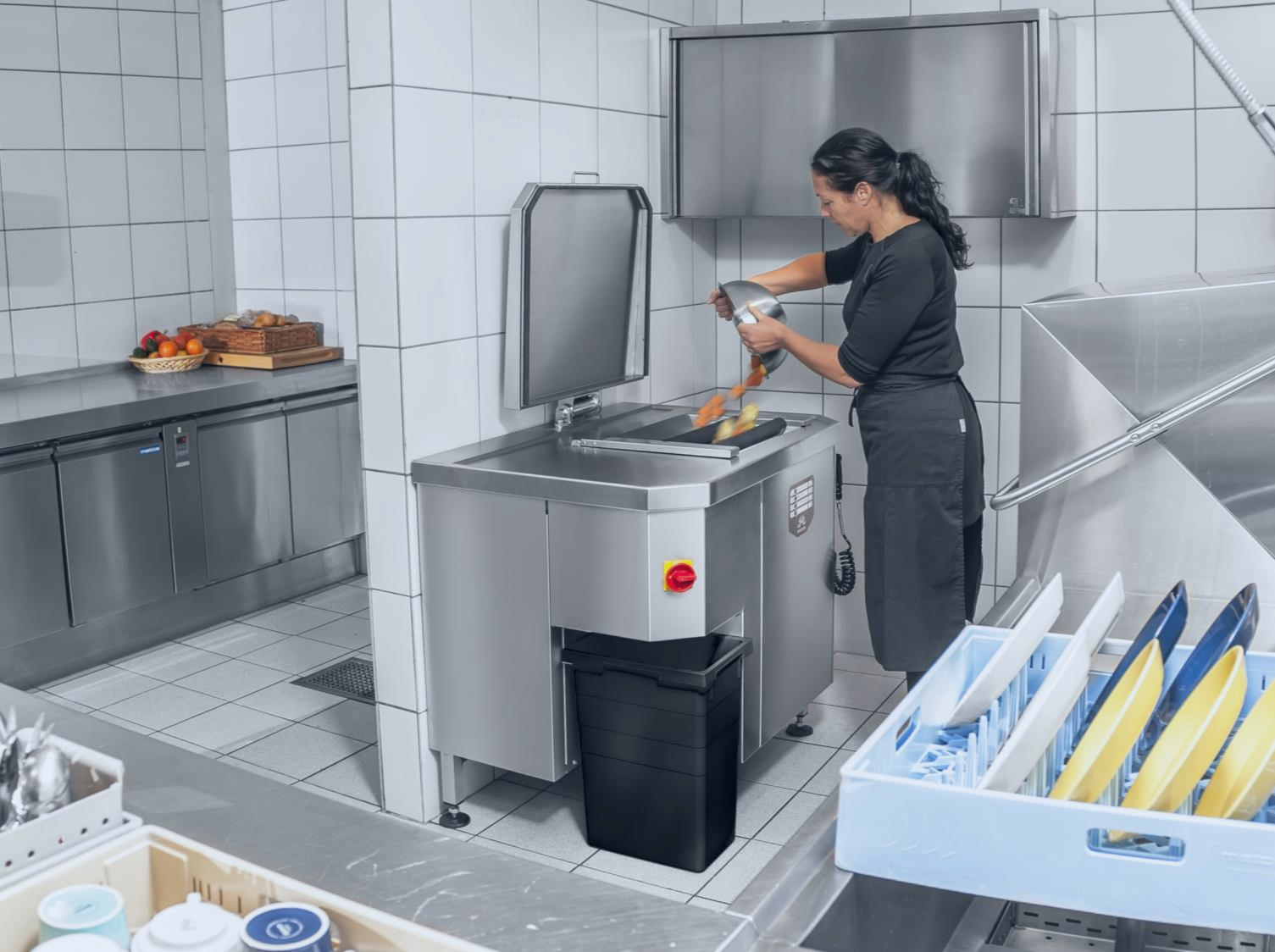
A food waste shredder is a mechanical device engineered to cut, tear, or slice food waste into smaller fragments. Unlike grinders, which pulverize material, shredders primarily reduce the size of waste for easier handling or subsequent processing.
These machines are ideal for tackling bulky or fibrous waste that might be difficult to manage, including vegetable stalks, fruit peels, and packaging remnants.
How Food Waste Grinders Complement Shredders
While shredders cut food waste into pieces, food waste grinders further break down these pieces into fine particles. This two-step process maximizes volume reduction and prepares waste for efficient recycling technologies such as composters, dehydrators, or biodigesters.
Together, shredders and grinders form a vital part of integrated food waste systems, ensuring optimal processing from start to finish.
Benefits of Using Food Waste Shredders and Grinders
1. Significant Volume Reduction
Shredding and grinding dramatically reduce the size and bulk of food waste, making storage and transport easier and less expensive.
2. Enhanced Waste Processing
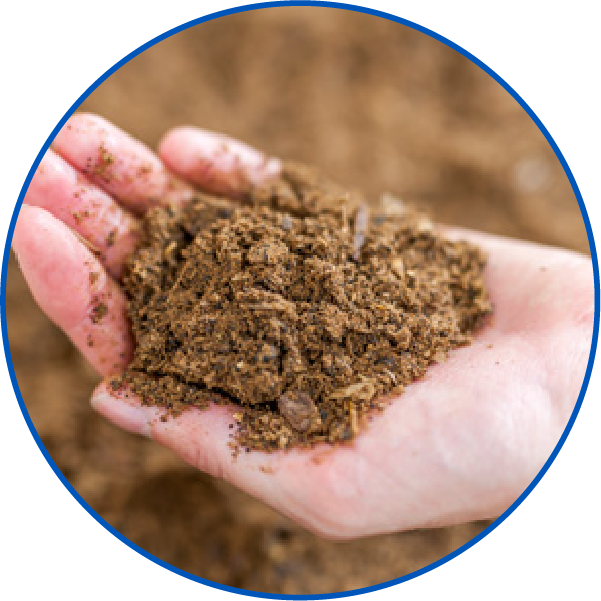
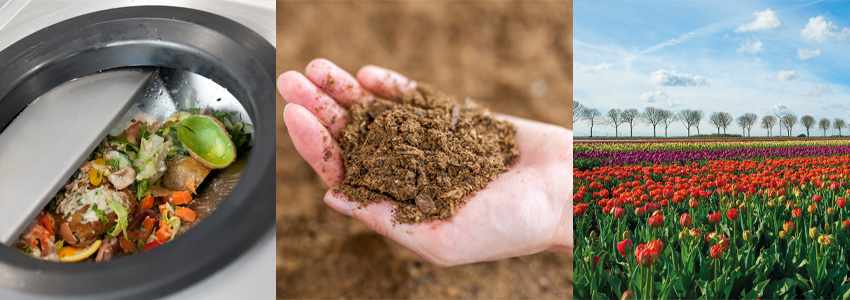
Smaller, uniform waste particles improve the efficiency of composting and other recycling methods, leading to faster decomposition and higher quality end products.
3. Improved Sanitation
By promptly breaking down waste, shredders and grinders minimize odors and reduce the risk of pests and contamination in waste storage areas.
4. Versatility
These machines handle a broad range of food waste types, from soft scraps to tougher materials like bones and shells, depending on their design.
Applications Across Industries
Restaurants and Commercial Kitchens: Shredders and grinders help manage kitchen scraps efficiently, keeping workspaces clean and compliant with waste regulations.
Food Processing Plants: Industrial-grade equipment handles large volumes of varied organic waste, facilitating recycling and reducing disposal costs.
Hospitals and Schools: Waste reduction equipment improves hygiene and supports institutional sustainability programs.
Choosing the Right Food Waste Shredder and Grinder
Factors to consider include:
Capacity requirements based on daily waste volume
Material types commonly processed
Machine durability and maintenance needs
Space availability and installation options
Energy efficiency and noise levels
Partnering with trusted suppliers like Hungry Giant ensures you get machines suited to your specific needs.
FAQs About Food Waste Shredders and Grinders
1. Can shredders and grinders process bones and shells?
Yes, many industrial models are designed to handle hard waste, but specifications vary by machine.
2. Are food waste shredders noisy?
Modern machines incorporate noise reduction technologies to minimize disruption.
3. How often do these machines require maintenance?
Regular cleaning and blade inspections are essential; professional servicing is recommended annually.
4. Can shredders and grinders be integrated with other food waste recycling equipment?
Absolutely. They are often key components of larger, automated waste processing systems.
5. What is the typical lifespan of a food waste shredder?
With proper use and maintenance, they can last 8–15 years.
6. Do shredders and grinders help reduce greenhouse gas emissions?
Yes, by diverting food waste from landfills and enabling recycling, they contribute to lower emissions.
Conclusion: Elevate Waste Management with Food Waste Shredders and Grinders
Incorporating food waste shredders and food waste grinders into your waste management strategy significantly boosts efficiency, sustainability, and hygiene. These machines reduce waste volume, prepare food scraps for recycling, and ultimately help businesses meet environmental goals while saving costs.
Choosing high-quality equipment from industry leaders like Hungry Giant ensures long-term reliability and optimal performance, paving the way toward a cleaner, greener future.


Write a comment ...