A few years ago, we didn’t think too hard about food waste. If something spoiled or got left on a plate, it went straight into the bin. Out of sight, out of mind. But the truth is, it was costing us—more than we realised.
It started with complaints. Bad smells near the dumpsters. Overflowing bins during busy weekends. And staff asking why we didn’t have a better system. We were tossing out not just waste, but money, time, and energy. That’s when we knew we had to find a smarter way.
That decision led us down the path to proper food waste and recycling—and it completely changed how we run our kitchen.

Facing the Truth: How Much Waste Were We Really Creating?
If you’ve ever managed a commercial kitchen, you know how fast food scraps pile up. A few wilted herbs here, some off-cuts there, uneaten sides—by the end of the day, it’s a mountain.
We started tracking it, and the numbers were shocking. Over 100 kg of waste a week, just from prep and plate returns. Multiply that by a month or a year, and the impact—both environmental and financial—was huge.
But it wasn’t just the volume. The waste was heavy, wet, and expensive to get rid of. Our garbage pickup fees were creeping up, and the staff hated handling bins that smelled worse by the hour.
That’s when we started looking into food recycling solutions.
Why a Food Waste Recycling Service Made Sense for Us
At first, we thought recycling food waste would be complicated or require major changes to our workflow. But after a little research, we found out that companies like Hungry Giant were already doing the heavy lifting.
They weren’t just selling machines—they were offering full food waste recycling services tailored to real kitchens like ours.
What appealed to us?
We didn’t have to haul waste off-site ourselves.
We could reduce the size and smell of our food scraps on-site.
It actually saved us money in the long run.
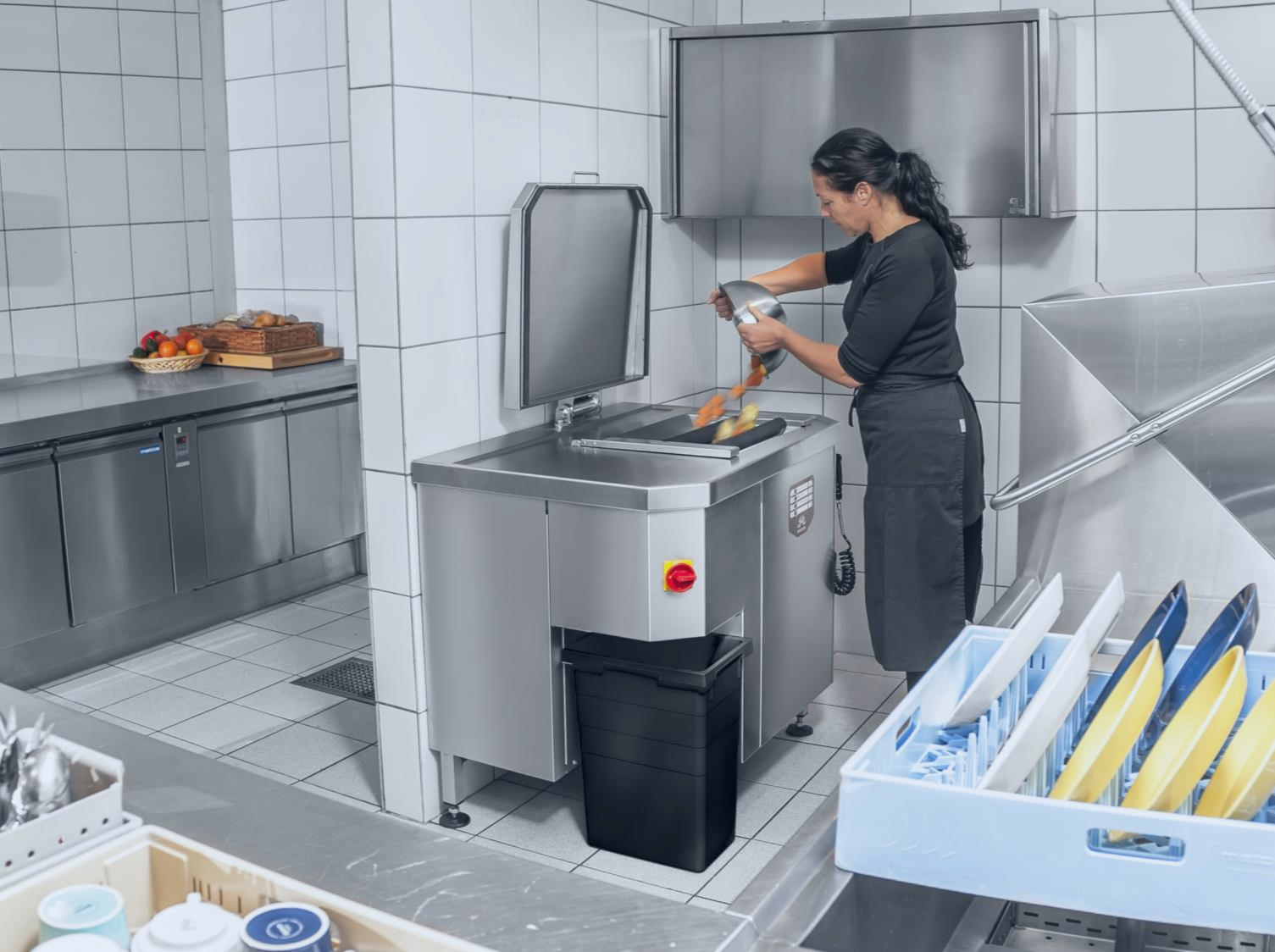
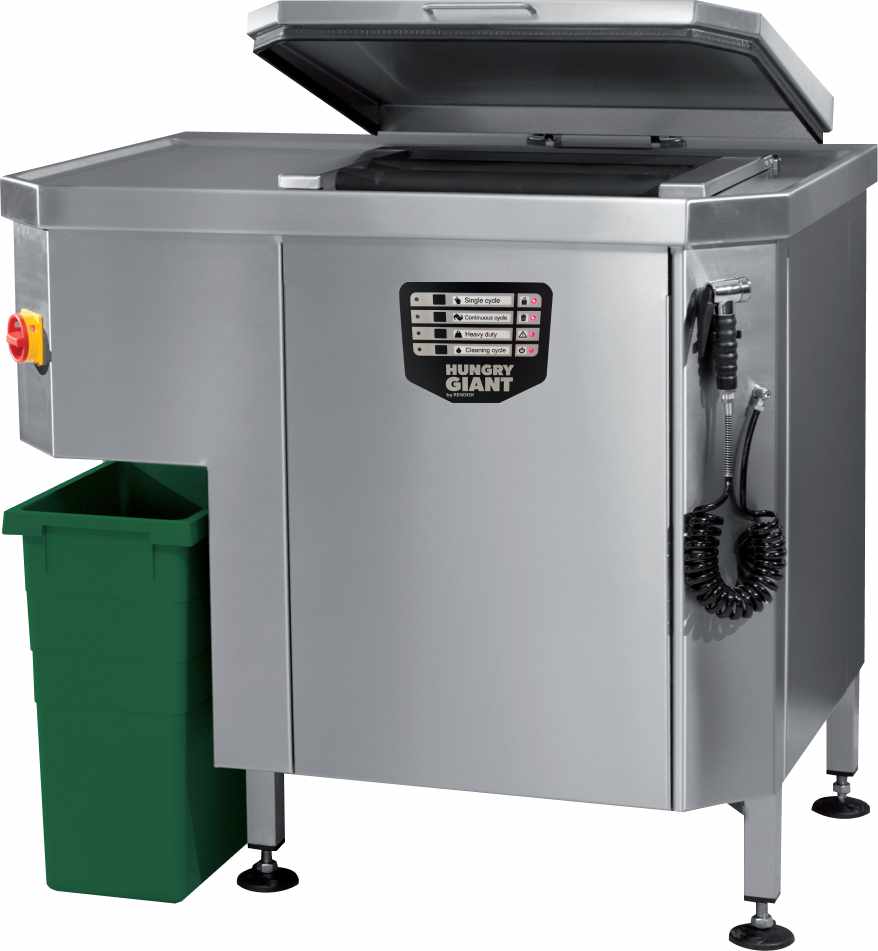
So we gave it a shot. We started with one of their dehydrator systems. It sat quietly in the back corner of our prep area, barely made a sound, and within hours turned kilos of slop into a fraction of dry material.
Small Changes, Big Results
Once we got into the rhythm of separating and processing our food scraps, things improved fast.
Less garbage going to landfill
Lower pickup costs from our waste contractor
Fewer pests and zero complaints about odours
Happier staff—no one likes taking out heavy, leaking bins
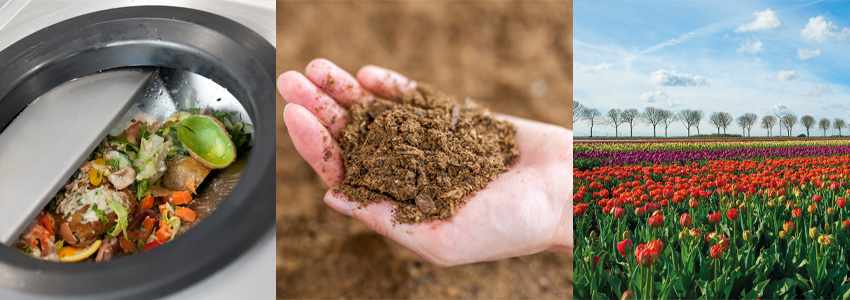
Even better? We found that we could re-purpose the dry waste. Some local community gardens were thrilled to take it for compost. Others used it as part of soil mix. Suddenly, our leftovers were giving something back.
It didn’t feel like waste anymore. It felt like contribution.
Why Every Kitchen Should Think About Food Waste Differently
We used to think food waste was just part of the job. But the truth is, we were stuck in an old mindset.
Food recycling solutions aren't just for eco-friendly startups or large food factories. They’re for any restaurant, cafe, hotel, school, or hospital that wants to operate smarter and cleaner.
We realised:
If you handle food, you create food waste.
If you create food waste, you need a plan for it.
If you have a plan, you can turn a problem into a benefit.
Now, we don’t just feel better about what we’re doing—we’re actually saving money and making a real environmental difference.
Hungry Giant: A Partner, Not Just a Provider
We have to give credit where it’s due. Hungry Giant wasn’t just about selling us a machine. They helped us understand how waste flows through our kitchen, where we could cut back, and how to train our team on better sorting and processing.
Their food waste recycling service includes the tech, support, and follow-up we didn’t even know we needed.
From the very first call, it felt like we were working with people who’d been in kitchens, not just people selling to them. That made all the difference.
How to Get Started if You're Curious
If you're reading this and thinking, “Yeah, we probably should do something about our food waste,” don’t wait too long like we did.
Here’s what helped us take the first step:
Track your food waste for one week. Just see what you're tossing out.
Identify your problem spots. Is it mostly prep? Expired stock? Plates coming back full?
Reach out to someone like Hungry Giant. They can help you figure out which system fits your kitchen size and budget.
You don’t need to overhaul your operation overnight. Start small. One step at a time.
Final Thoughts: Waste Isn’t Just Trash—It’s Untapped Potential
If there’s one thing we’ve learned, it’s this: food waste doesn’t have to be a burden.
With the right system, it becomes:
A cleaner workspace
A lower utility bill
A smaller carbon footprint
A message to your customers that you care
We’re proud to be doing our part—and if you're in the food business, you can too.
Want to learn more about how you can manage food waste better?
Visit https://hungrygiant.com and see how their food recycling solutions can work for your kitchen. Because in today’s world, doing better for the planet is just good business.


Write a comment ...