
In the hospitality industry, sustainability is no longer a buzzword—it’s a business imperative. Every day, hotels and restaurants generate massive amounts of food waste, much of which ends up in landfills. But forward-thinking businesses are transforming how they handle organic waste through modern solutions like industrial food waste grinders. When paired with smart waste management systems, these machines are turning what was once a costly liability into an opportunity for environmental and operational gains.
The Food Waste Challenge in Hospitality
Hotels and restaurants are among the largest producers of commercial food waste. From uneaten leftovers and spoiled produce to kitchen prep scraps and buffet excess, food waste accumulates quickly. Poorly managed, it leads to foul odours, pest issues, high hauling fees, and a significant carbon footprint.
Waste management in hotels and restaurants must go beyond simple disposal. It’s about adopting systems that minimise waste at the source and repurposed it wherever possible.
According to global estimates, nearly 30% of all food is wasted, and a significant chunk of that waste comes from commercial kitchens. With increasing pressure from environmental regulations, guests' expectations for sustainable practices, and rising waste disposal costs, hospitality businesses need smarter, scalable waste solutions.
Introducing the Industrial Food Waste Grinder
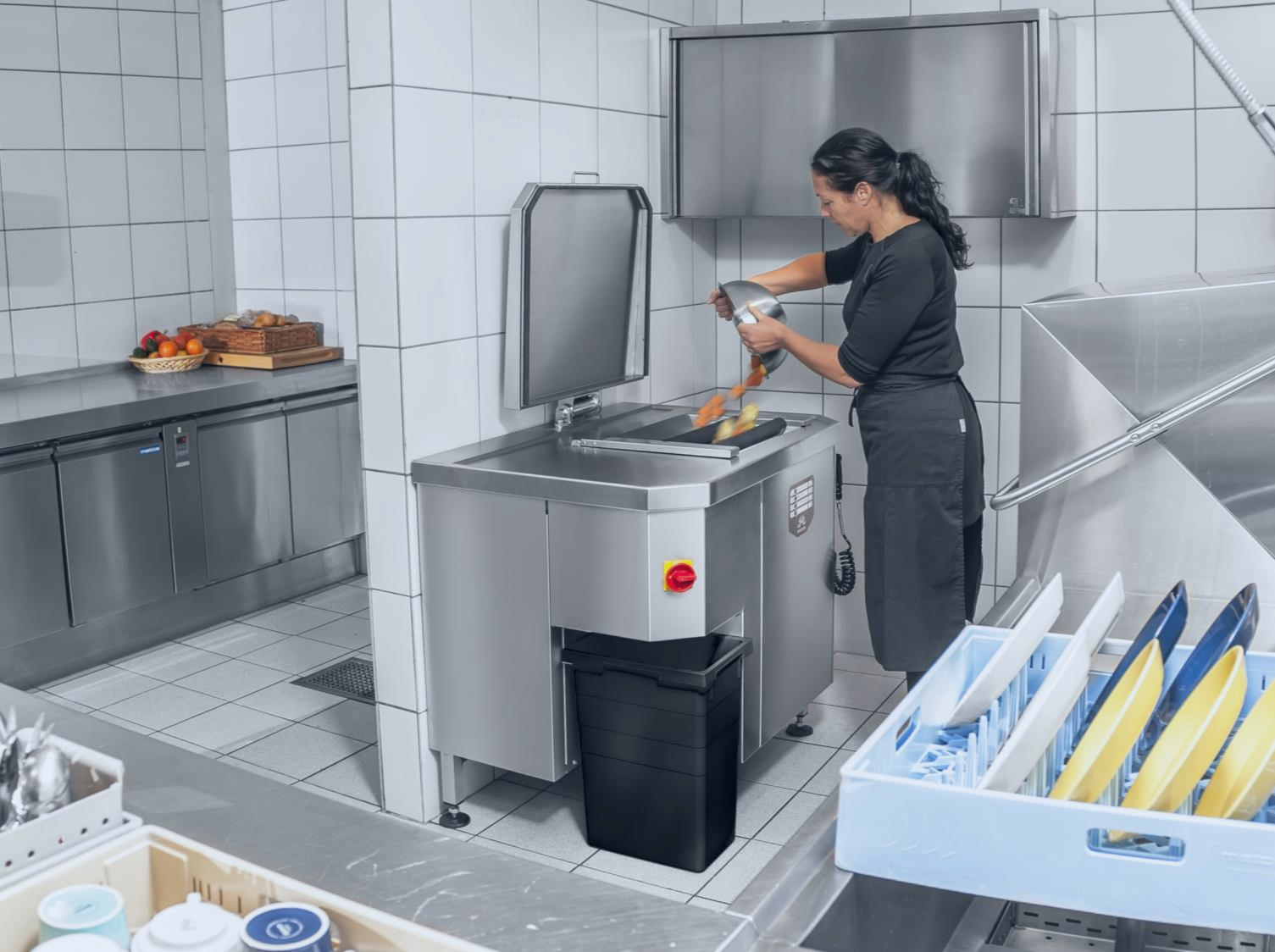
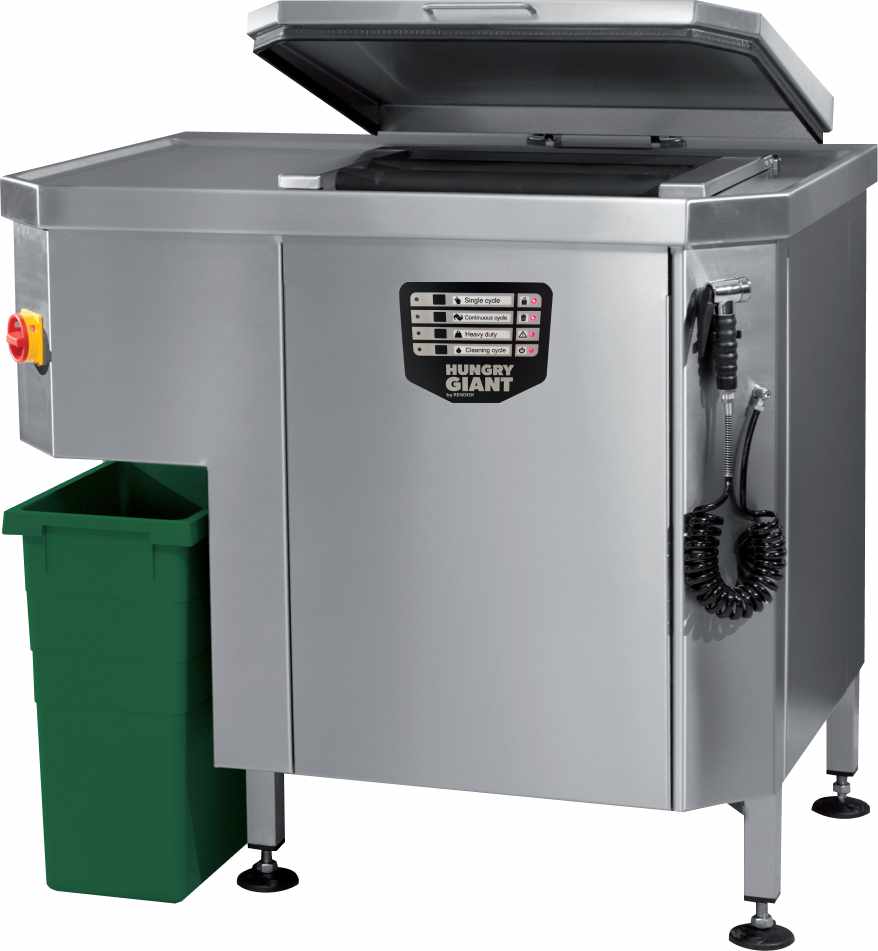
One of the most effective technologies transforming waste management food waste practices is the industrial food waste grinder. This machine is designed to process high volumes of organic waste quickly and efficiently, reducing it into fine particles that can be more easily handled, transported, or recycled.
How It Works:
Collection: Food scraps and waste are collected from kitchen stations or buffet lines.
Grinding: The waste is fed into the industrial grinder, where it’s shredded into fine particles.
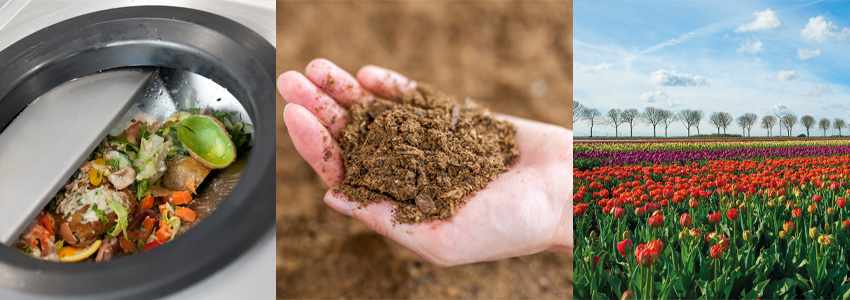
Processing: These particles can then be dehydrated, composted, or used in anaerobic digestion systems to create bio-gas or fertiliser.
This process doesn’t just reduce waste volume—it transforms waste into resources.
Key Benefits for Hotels and Restaurants
1. Reduced Waste Volume and Disposal Costs
By grinding and pre-processing food waste on-site, businesses reduce the volume of waste that needs to be hauled away. This lowers the frequency of waste pickups, saves on transport costs, and reduces the space needed for waste storage—especially critical in urban locations with limited room.
2. Improved Hygiene and Pest Control
Wet food waste sitting in bins is a breeding ground for bacteria, pests, and foul odors. A grinder system allows for faster processing, keeping kitchens and back-of-house areas cleaner and more hygienic.
3. Compliance with Regulations
Many cities and states now require businesses to separate food waste from other trash. Some even mandate on-site food waste treatment. Implementing a grinder system ensures your operation is compliant with local regulations.
4. Sustainability and Brand Image
Guests are more eco-conscious than ever. By investing in sustainable practices like waste management food waste systems, your hotel or restaurant enhances its environmental credentials. This can be a powerful selling point, especially for millennial and Gen Z travellers who prioritise green business practices.
Waste Management in Hotels and Restaurants: Best Practices
An industrial food waste grinder is a powerful tool, but it works best when integrated into a broader waste management strategy. Here are key steps to maximize efficiency:
Conduct a Waste Audit
Start by identifying where waste is generated—from kitchen prep areas to guest dining and buffet stations. Understand what kinds of food are being wasted, how much, and why. This helps identify reduction opportunities alongside technological solutions.
Train Staff
Effective waste management in hotels and restaurants depends on staff awareness and participation. Ensure kitchen staff, servers, and cleaners understand how to sort and handle food waste, and how to use grinder systems correctly.
Set Measurable Goals
Track how much food waste is being generated and reduced over time. Use digital tools or built-in grinder monitoring systems to gather data and report progress. Metrics make it easier to justify investment and showcase sustainability efforts.
Collaborate with Waste Haulers or Composting Partners
After grinding, the processed food waste can be diverted to composting facilities or anaerobic digesters. Some businesses even partner with local farms to return nutrient-rich slurry to the soil.
Features to Look For in a Food Waste Grinder
When choosing an industrial grinder for your hotel or restaurant, look for these features:
High capacity: Capable of handling the volume your kitchen produces daily.
Durable construction: Built to last in demanding commercial environments.
Energy efficiency: Low power consumption without sacrificing performance.
Ease of cleaning: Quick maintenance is key for daily use.
Automation and smart tech: Sensors and real-time tracking for data-driven decisions.
Some advanced models even integrate with waste tracking software to give real-time insights into how much waste is being processed.
Real-Life Impact: A Hotel Success Story
A mid-size hotel group implemented industrial food waste grinders across 10 of its locations. Within six months, they saw:
A 40% reduction in waste disposal costs
80 tons of food waste diverted from landfills
Improved health inspections due to cleaner back-of-house areas
Positive guest feedback after showcasing their sustainability efforts in marketing materials
This isn’t just theory—it’s real-world ROI.
The Future of Hospitality Waste Management
The future of waste management in hotels and restaurants lies in smart systems that don’t just dispose of waste—they transform it. With an industrial grinder at the core of your food waste management plan, you’re not just solving a problem—you’re creating an opportunity.
You’re reducing costs. You’re improving kitchen hygiene. You’re meeting regulations. And most importantly, you’re building a brand that today’s environmentally-conscious consumers trust and respect.
Final Thoughts
Managing food waste in the hospitality industry doesn’t have to be overwhelming. With the right tools—like an industrial food waste grinder—you can turn food scraps into savings and sustainability wins. Whether you're running a bustling restaurant, a luxury hotel, or a large resort chain, investing in better waste management food waste systems isn't just good for the planet—it's good for business.


Write a comment ...